
Coral Care

Coral is a type of marine invertebrate that belongs to the phylum Cnidaria. Corals are known for their hard, calcium carbonate skeletons, which they use to support and protect their soft, fleshy bodies. Corals are found in a wide range of colors, shapes, and sizes, and they are often found in shallow, warm waters where they can receive plenty of sunlight.

Types Of Corals

There are two main types of corals: hard corals and soft corals.

Hard corals:

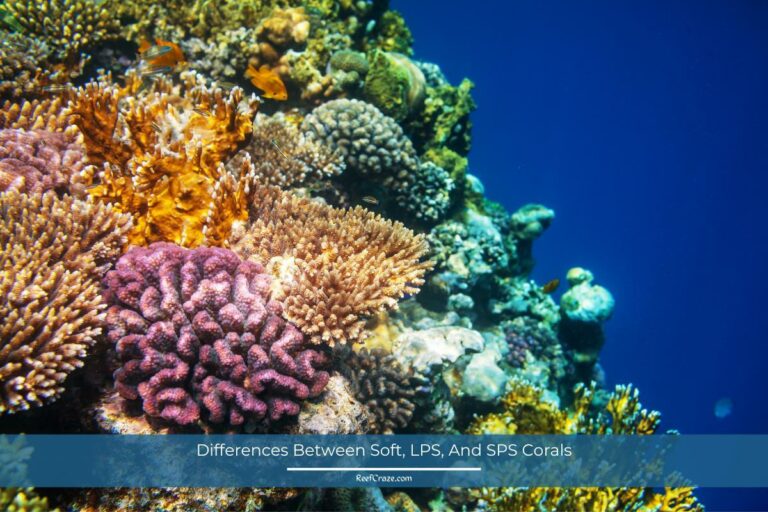
Also known as stony corals, these are the most common type of coral. They have hard, calcium carbonate skeletons that are either encrusting (growing over a surface) or massive (forming a single, large structure). Examples of hard corals include brain coral, staghorn coral, and elkhorn coral.

Elkhorn coral

Elkhorn coral is a type of branching coral that has large, flat branches that resemble the antlers of an elk. It is found in shallow, warm waters and is often a major component of coral reefs.

Examples of soft corals include sea fans, sea whips, and coral polyps.

Staghorn coral

Staghorn coral is similar to elkhorn coral, but it has smaller, more delicate branches that resemble the antlers of a deer. It is also found in shallow, warm waters and is an important contributor to the growth of coral reefs.

Brain coral

Brain coral is a type of massive coral that has a brain-like appearance, with grooves and ridges on its surface. It is found in shallow, warm waters and is often a dominant species on coral reefs.

Soft corals:

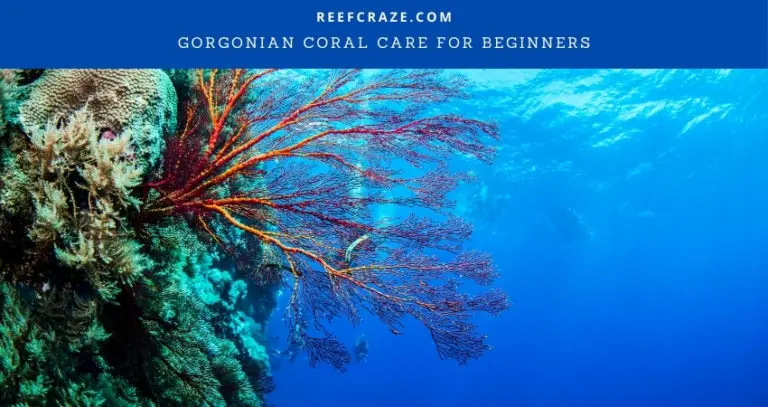
These corals do not have hard skeletons. Instead, they have a flexible, leathery or rubbery texture. Examples of soft corals include sea fans, sea whips, and coral polyps. Unlike hard corals, soft corals do not create reefs, but they can still provide habitat for other marine organisms.

Other Sub-Types Of Corals

There are also several subtypes of corals that are distinguished by their unique characteristics and behaviors. For example, there are hermatypic corals, which are corals that contribute to the growth of coral reefs, and ahermatypic corals, which do not contribute to the growth of coral reefs.

Hermatypic corals:

These are corals that contribute to the growth of coral reefs. They are the most important type of coral for building reefs, as they extract calcium and carbonate ions from the water and use them to build their skeletons. Examples of hermatypic corals include elkhorn coral, staghorn coral, and brain coral.

Ahermatypic corals:

These are corals that do not contribute to the growth of coral reefs. They do not have a hard skeleton, and they do not extract calcium and carbonate ions from the water to build their skeletons. Examples of ahermatypic corals include soft corals, zoanthids, and sea anemones.

Zoanthids

Zoanthids are colonial corals that consist of many individual polyps that are joined together. They are found in a wide range of colors and patterns, and they are often found in shallow, warm waters.

Sea anemones

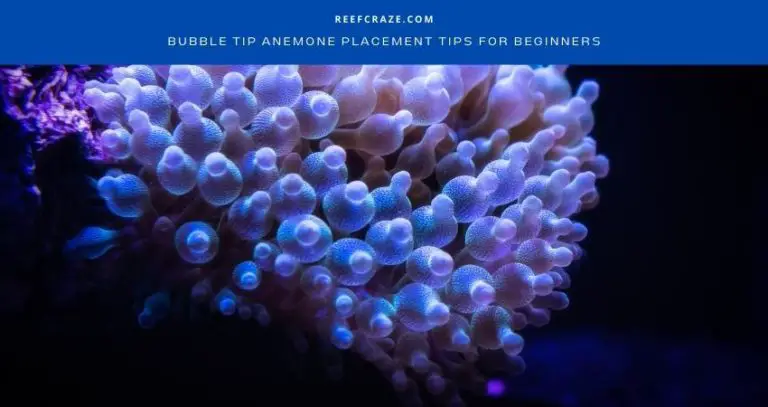
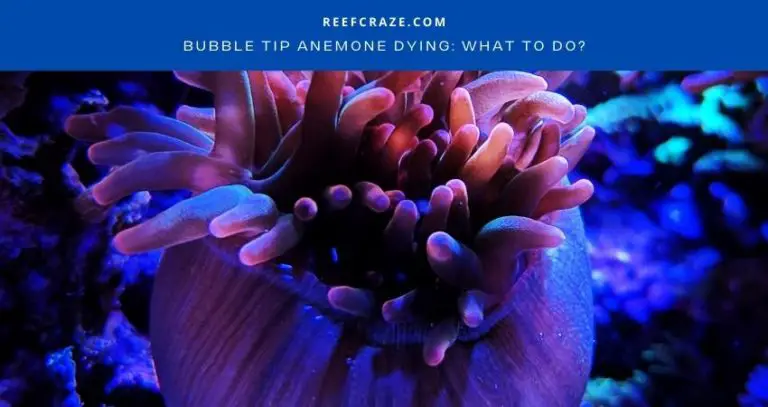
Sea anemones are solitary corals that consist of a single polyp. They are found in a wide range of colors and patterns, and they are often found attached to rocks or other surfaces in shallow, warm waters. They are known for their striking appearance and their ability to change color.

Asexual And Sexual corals:

There are also corals that can reproduce asexually, by splitting into multiple pieces, and corals that can reproduce sexually, by releasing eggs and sperm into the water.

Asexual reproduction is more common in hard corals, while sexual reproduction is more common in soft corals.

Corals Are Important

Overall, there are many different types of corals that can be found in the world’s oceans, and each type has its own unique characteristics and behaviors. These corals play an important role in the marine ecosystem, providing habitat for a wide range of other marine organisms and serving as a vital source of food and shelter for fish, crustaceans, and other marine animals.